Junk has a way of piling up when you least expect it. Whether it’s old furniture in the garage, broken appliances in the basement, or leftover debris from a renovation project, clutter can quickly take over your space—and your peace of mind.
That’s where junk removal comes in. But before you start tossing everything into a pile for pickup, there’s one important thing to understand: not everything can be thrown away the same way.
Some items are perfectly safe for standard disposal. Others require special handling due to environmental, legal, or safety concerns. Knowing the difference can save you time, money, and potential headaches.
This ultimate guide will walk you through everything you need to know about junk removal—what you can throw away, what you can’t, and how to handle tricky items the right way.
1. What Is Junk Removal and Why It Matters
Junk removal is more than just hauling away unwanted items. It’s a structured process that involves sorting, recycling, donating, and properly disposing of materials in an environmentally responsible way.
Professional junk removal services help homeowners and businesses:
- Clear out clutter quickly
- Save time and effort
- Avoid injury from heavy lifting
- Ensure proper disposal of waste
But even if you’re planning to handle some of the work yourself, understanding what belongs in each category is essential.
2. Common Items You Can Throw Away
Let’s start with the good news—many everyday items can be safely removed without special restrictions.
Household Furniture
- Sofas, chairs, tables
- Mattresses and bed frames
- Dressers and cabinets
Appliances (Non-Hazardous)
- Microwaves
- Dishwashers
- Washing machines and dryers
Yard Waste
- Branches and leaves
- Grass clippings
- Small tree debris
General Household Junk
- Clothing and textiles
- Toys and household items
- Boxes, packaging, and non-hazardous trash
Construction Debris (Limited)
- Wood scraps
- Drywall
- Tiles and flooring materials
These items are typically accepted by most junk removal services and disposal facilities, though local regulations may vary.
3. Items That May Require Special Handling
Some items can still be removed, but they need extra care due to their size, material, or environmental impact.
Electronics (E-Waste)
- TVs
- Computers and laptops
- Printers and monitors
These items contain components that should be recycled properly rather than sent to a landfill.
Large Appliances with Refrigerants
- Refrigerators
- Freezers
- Air conditioners
These appliances contain chemicals that must be handled safely before disposal.
Tires
Old tires are often restricted at landfills and may need to be taken to designated recycling centers.
Batteries
Certain batteries, especially lithium-ion or car batteries, require special disposal to prevent environmental harm.
Paint (Latex vs Oil-Based)
- Latex paint can sometimes be dried out and disposed of normally
- Oil-based paint is considered hazardous and requires special disposal
Always check with your local waste management guidelines before disposing of these items.
4. Items You Should NOT Throw Away with Regular Junk
There are certain materials that should never be included in standard junk removal due to safety or legal concerns.
Hazardous Chemicals
- Pesticides
- Fertilizers
- Cleaning chemicals
- Solvents
Medical Waste
- Needles (sharps)
- Prescription medications
Asbestos Materials
Common in older homes, asbestos requires professional removal due to health risks.
Flammable Materials
- Gasoline
- Propane tanks
- Fireworks
Biohazard Waste
Any materials contaminated with bodily fluids or biological hazards require specialized disposal.
These items must be handled by certified professionals or disposed of through designated facilities.
5. Recycling: Turning Junk Into Resources
One of the most important aspects of junk removal is recycling.
Many items that seem like trash can actually be repurposed or recycled, including:
- Metal (steel, aluminum)
- Paper and cardboard
- Plastics
- Electronics
Recycling helps:
- Reduce landfill waste
- Conserve natural resources
- Lower environmental impact
Professional junk removal services often sort materials to ensure as much as possible is recycled instead of thrown away.
6. Donation: Giving Items a Second Life
Not everything you want to get rid of is truly “junk.”
Items in good condition can often be donated, including:
- Furniture
- Clothing
- Household goods
- Appliances
Donating helps:
- Support local communities
- Reduce waste
- Provide useful items to those in need
Before discarding usable items, consider whether they could benefit someone else.
7. DIY Junk Removal vs Hiring Professionals
When it comes to removing junk, you have two main options: do it yourself or hire a professional service.
DIY Junk Removal
Pros:
- Lower upfront cost
- Full control over the process
Cons:
- Time-consuming
- Physically demanding
- Requires transportation and disposal planning
Professional Junk Removal
Pros:
- Fast and efficient
- No heavy lifting required
- Proper disposal and recycling handled for you
Cons:
- Higher cost compared to DIY
For small cleanups, DIY may be manageable. But for large or complex jobs, professional services are often the better choice.
8. Safety Tips for Handling Junk
Junk removal isn’t just about getting rid of items—it’s also about doing it safely.
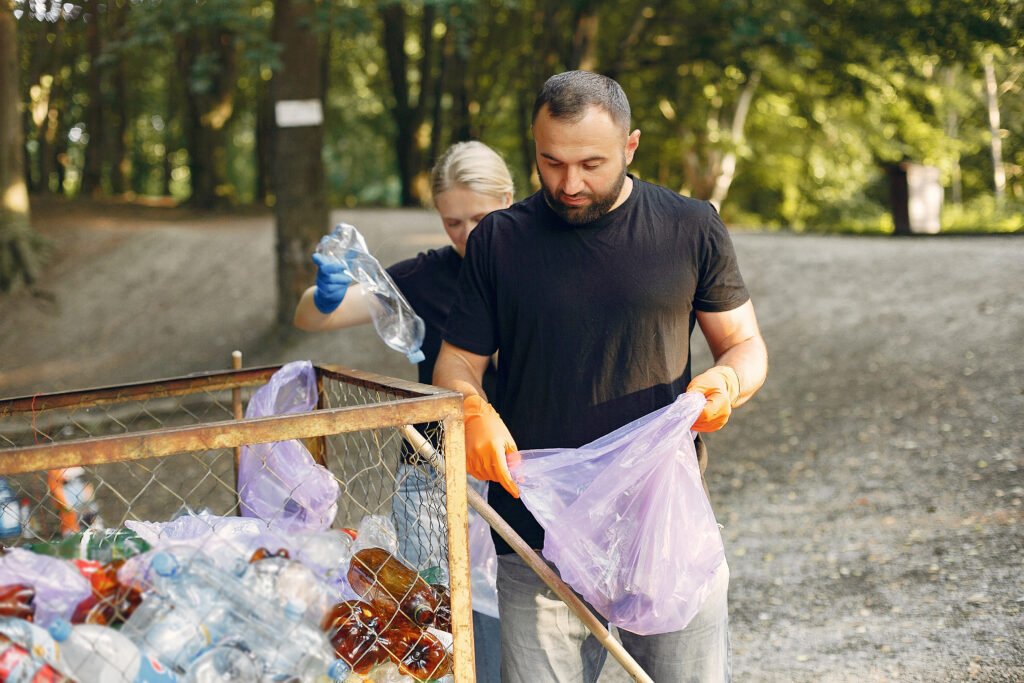
Wear protective gear
Gloves, masks, and sturdy shoes can prevent injuries.
Lift properly
Avoid back strain by using proper lifting techniques or asking for help.
Watch for hazardous materials
Be cautious when dealing with unknown substances or sharp objects.
Use the right tools
Dollies, straps, and containers can make the process easier and safer.
Safety should always be a top priority, especially during large cleanouts.
9. How to Prepare for a Junk Removal Service
If you’re hiring a professional service, a little preparation can make the process smoother.
Sort your items
Separate what you want removed from what you’re keeping.
Identify special items
Let the service know if you have items that require special handling.
Clear access paths
Make it easy for the team to reach the items.
Get an estimate
Understand pricing and services before scheduling.
Preparation helps ensure a quick and efficient removal process.
10. Environmental Impact of Proper Junk Removal
Improper disposal of junk can have serious environmental consequences.
Landfill overflow
Too much waste can overwhelm local landfills.
Pollution
Hazardous materials can contaminate soil and water.
Resource waste
Recyclable materials are lost when not properly sorted.
Responsible junk removal practices help protect the environment and promote sustainability.
11. When to Schedule Junk Removal
Timing your junk removal can make a big difference.
Common situations:
- Moving or downsizing
- Home renovations
- Estate cleanouts
- Seasonal decluttering
Regular cleanouts can help you maintain an organized and stress-free living space.
12. Cost Factors in Junk Removal
The cost of junk removal varies based on several factors:
- Volume of items
- Type of materials
- Location and accessibility
- Special handling requirements
Getting a quote in advance can help you plan your budget and avoid surprises.
Final Thoughts
Junk removal may seem simple, but doing it the right way requires knowledge and planning. Understanding what you can and can’t throw away helps you avoid legal issues, protect the environment, and make the process more efficient.
Whether you choose to handle it yourself or hire professionals, the key is to approach junk removal responsibly. By sorting items, recycling whenever possible, and following proper disposal guidelines, you can clear your space while minimizing your impact on the environment.
A clutter-free home isn’t just about appearance—it’s about creating a healthier, more organized, and more enjoyable living space.
Frequently Asked Questions (FAQs)
1. What items are most commonly accepted in junk removal?
Furniture, appliances, yard waste, and general household items are typically accepted.
2. Can I throw away electronics with regular junk?
No, electronics should be recycled through designated e-waste programs.
3. Are hazardous materials accepted in junk removal?
No, hazardous materials require special handling and should not be included.
4. Is it better to donate or throw away items?
If items are in good condition, donating is a more environmentally friendly option.
5. How do I know if something requires special disposal?
Check local regulations or consult a junk removal professional.
6. How often should I schedule junk removal?
It depends on your needs, but many people benefit from seasonal or annual cleanouts.