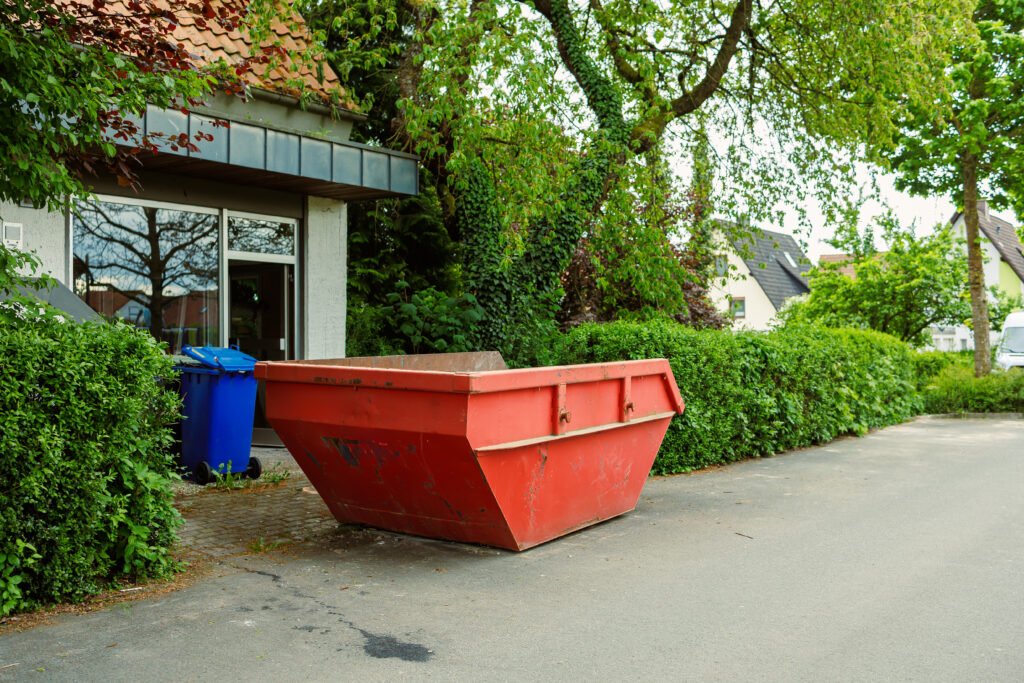
The garage is clean, the old couch is gone, and those broken appliances are no longer taking up space. You hired a junk removal service, watched everything get loaded into a truck, and just like that—it disappeared.
But then a thought hits you:
“Where does all that junk actually go?”
It’s a great question—and one that more homeowners and business owners are starting to ask, especially as concerns about sustainability, waste management, and environmental impact continue to grow.
The truth is, your junk doesn’t just vanish. Behind the scenes, there’s an entire system in place designed to sort, recycle, donate, and responsibly dispose of what you throw away.
In this complete guide, we’ll walk you through exactly what happens to your junk after it’s hauled away—step by step—so you know where your items end up and why it matters.
Why It Matters Where Your Junk Goes
Before we dive into the process, let’s talk about why this topic is important.
Every year, millions of tons of waste end up in landfills. According to the Environmental Protection Agency (EPA), a significant portion of that waste could actually be recycled or reused.
Improper disposal can lead to:
- Environmental pollution
- Increased landfill overflow
- Wasted reusable materials
- Harm to ecosystems
That’s why modern junk removal services are evolving. Today, many companies focus on eco-friendly junk removal practices, ensuring that as little waste as possible ends up in landfills.
Step 1: Pickup and Initial Sorting
The process begins the moment your junk is loaded onto the truck.
Professional junk removal teams don’t just throw everything together without thought. In many cases, they already start basic sorting during pickup.
For example:
- Furniture may be separated if it’s reusable
- Electronics may be set aside for e-waste recycling
- Yard waste might be grouped separately
This early-stage sorting helps streamline the next steps and ensures items are handled properly later.
Step 2: Transportation to a Sorting Facility
Once your junk is collected, it’s transported to a designated sorting facility, recycling center, or transfer station.
This is where the real work begins.
At these facilities, trained workers and specialized equipment sort through the materials to determine what can be:
- Recycled
- Donated
- Repurposed
- Disposed of
Think of it as a second life checkpoint for your junk.
Step 3: Recycling – Turning Waste Into Resources
One of the most important stages in the junk removal process is recycling.
Many common household and construction materials can be processed and reused, including:
Commonly Recycled Materials:
- Metals (steel, aluminum, copper)
- Paper and cardboard
- Plastics
- Glass
- Wood
For example:
- Old appliances can be dismantled, and the metal components reused
- Cardboard boxes are processed into new packaging materials
- Scrap metal is melted down and used in manufacturing
Recycling helps:
- Reduce landfill waste
- Conserve natural resources
- Lower energy consumption
According to the EPA, recycling plays a crucial role in reducing greenhouse gas emissions and conserving raw materials.
Step 4: Donations – Giving Your Items a Second Life
Not everything you throw away is actually “junk.”
Many items still have value and can be reused by others.
Junk removal companies often partner with local charities and donation centers to give usable items a second life.
Commonly Donated Items:
- Furniture in good condition
- Clothing and textiles
- Working appliances
- Household goods
These items may be sent to organizations like:
- Thrift stores
- Nonprofits
- Community shelters
This not only reduces waste but also helps people in need.
It’s a win-win: less landfill waste and more community support.
Step 5: Specialized Disposal for Hazardous Materials
Some items require special handling due to environmental or safety risks.
Examples of Hazardous Waste:
- Paint and chemicals
- Batteries
- Electronics (e-waste)
- Refrigerants from appliances
These materials cannot simply be dumped in a landfill.
Instead, they are sent to certified hazardous waste facilities, where they are safely processed and disposed of according to regulations.
Proper handling prevents:
- Soil contamination
- Water pollution
- Health hazards
Step 6: Landfill – The Last Resort
After recycling, donations, and specialized disposal, whatever remains is sent to a landfill.
But here’s the key point:
Landfills are now the last step—not the first.
Modern junk removal companies aim to minimize landfill use as much as possible.
Still, some materials cannot be recycled or reused, such as:
- Contaminated items
- Certain plastics
- Mixed or degraded materials
These end up in landfills, where they are managed under strict environmental guidelines.
What Happens to Specific Items?
Let’s take a closer look at what happens to some common items.
Furniture
- Reusable furniture → Donated or resold
- Damaged furniture → Broken down and recycled (wood, metal)
- Non-recyclable parts → Landfill
Appliances
- Refrigerators and AC units → Refrigerants removed safely
- Metal components → Recycled
- Plastic parts → Processed or discarded
Electronics (E-Waste)
Electronics are handled carefully due to hazardous components.
- Valuable metals → Extracted and reused
- Components → Recycled
- Toxic materials → Safely disposed
Yard Waste
- Leaves, branches, and grass → Composted
- Turned into mulch or soil products
Construction Debris
- Concrete → Crushed and reused
- Wood → Recycled or repurposed
- Metal → Scrapped and reused
The Rise of Eco-Friendly Junk Removal
Today’s junk removal industry is shifting toward sustainability.
More companies are adopting:
- Recycling-first policies
- Donation partnerships
- Waste diversion strategies
Some even aim to divert 60–80% of collected waste away from landfills.
This trend is driven by:
- Environmental awareness
- Government regulations
- Customer demand for green services
How You Can Help the Process
You can play a role in ensuring your junk is handled responsibly.
Here are a few simple tips:
- Separate recyclable materials when possible
- Inform the company about hazardous items
- Donate usable items before disposal
- Choose eco-conscious junk removal services
Even small actions can make a big difference.
Choosing the Right Junk Removal Company
Not all junk removal services operate the same way.
If sustainability matters to you, ask these questions:
- Do you recycle materials?
- Do you donate usable items?
- What percentage of waste goes to landfills?
- How do you handle hazardous materials?
Look for companies that are transparent about their process.
Common Misconceptions About Junk Removal
Let’s clear up a few myths:
Myth 1: Everything Goes to the Landfill
Reality: Most reputable companies sort and recycle extensively.
Myth 2: Junk Removal Is Bad for the Environment
Reality: Modern services often reduce environmental impact.
Myth 3: It Doesn’t Matter Who You Hire
Reality: The company you choose directly affects where your junk ends up.
Why This Matters for the Future
Waste management is one of the biggest environmental challenges we face.
By choosing responsible junk removal services, you’re contributing to:
- Reduced landfill waste
- Better resource conservation
- A cleaner environment
It’s not just about getting rid of junk—it’s about what happens next.
Final Thoughts
So, what really happens to your junk after it’s hauled away?
It goes through a detailed process of:
- Sorting
- Recycling
- Donation
- Safe disposal
Only a small portion ends up in landfills when handled responsibly.
The next time you schedule a junk removal service, you can feel confident knowing that your items aren’t just being thrown away—they’re being managed, reused, and repurposed whenever possible.
And that makes a bigger impact than you might think.